

About the material
What is Concrete Canvas®?
A flexible, 3D-fibre-reinforced polyester fabric filled with a dry concrete mix. The material hardens when wetted with water, forming a thin, strong and waterproof layer. Within 24 hours of hydration, a Concrete Canvas structure reaches 80% of its strength and is ready for use.
We offer several types of concrete canvas: Concrete Canvas® (CC), CCX™ and CC Hydro™ (CCH). All products are manufactured in the United Kingdom and exported worldwide.
The materials are supplied in rolls, with thicknesses from 5 to 11 mm. The roll format makes it easy to form a concrete layer of a given thickness and shape. Applying a sand–cement mix inside a casing of set thickness is a more efficient alternative to conventional binder-based construction mixes and greatly speeds up the construction of concrete structures.
Material advantages
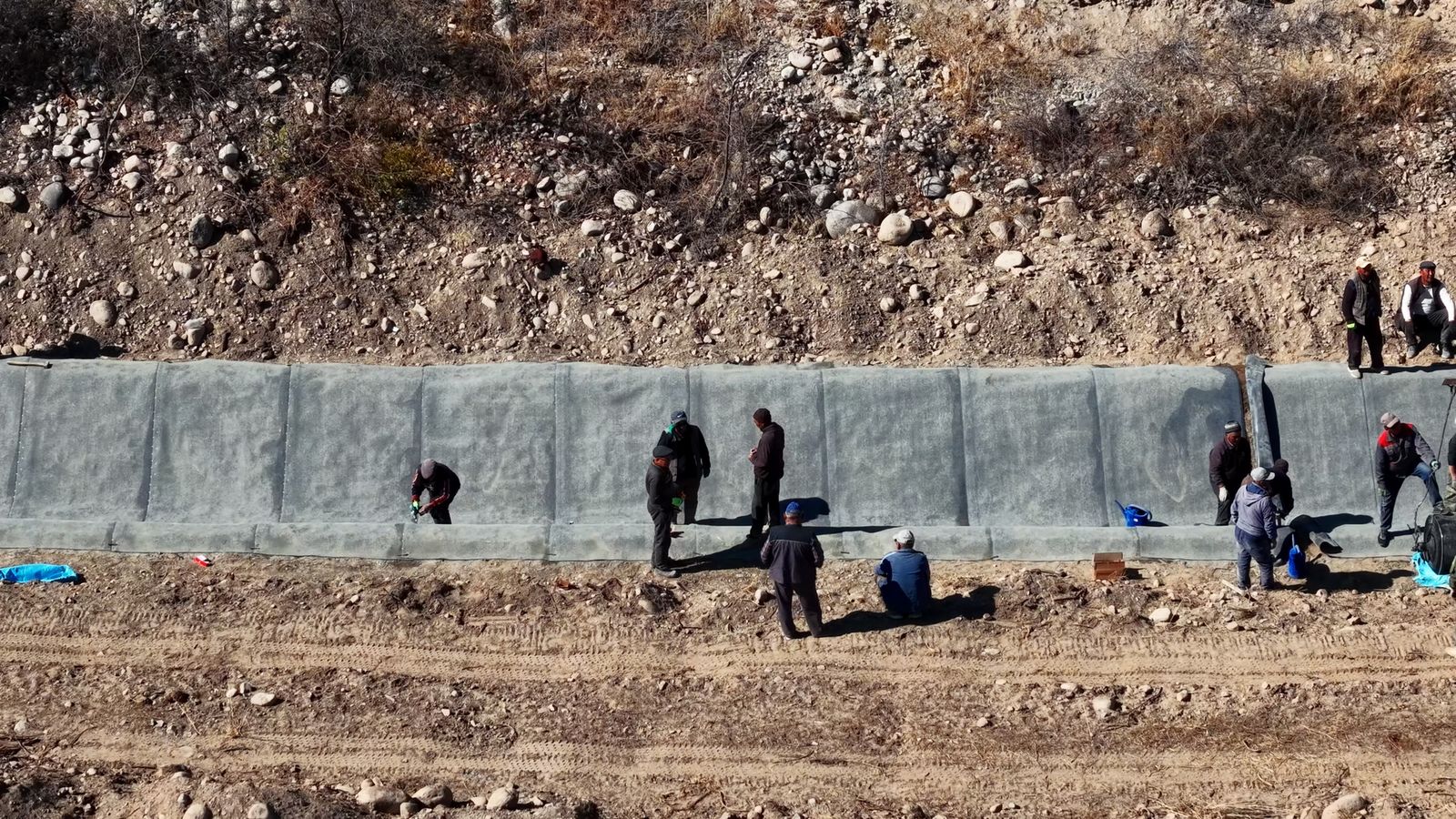
Up to 200 m² per hour with a crew of 3 — many times faster than conventional concrete.
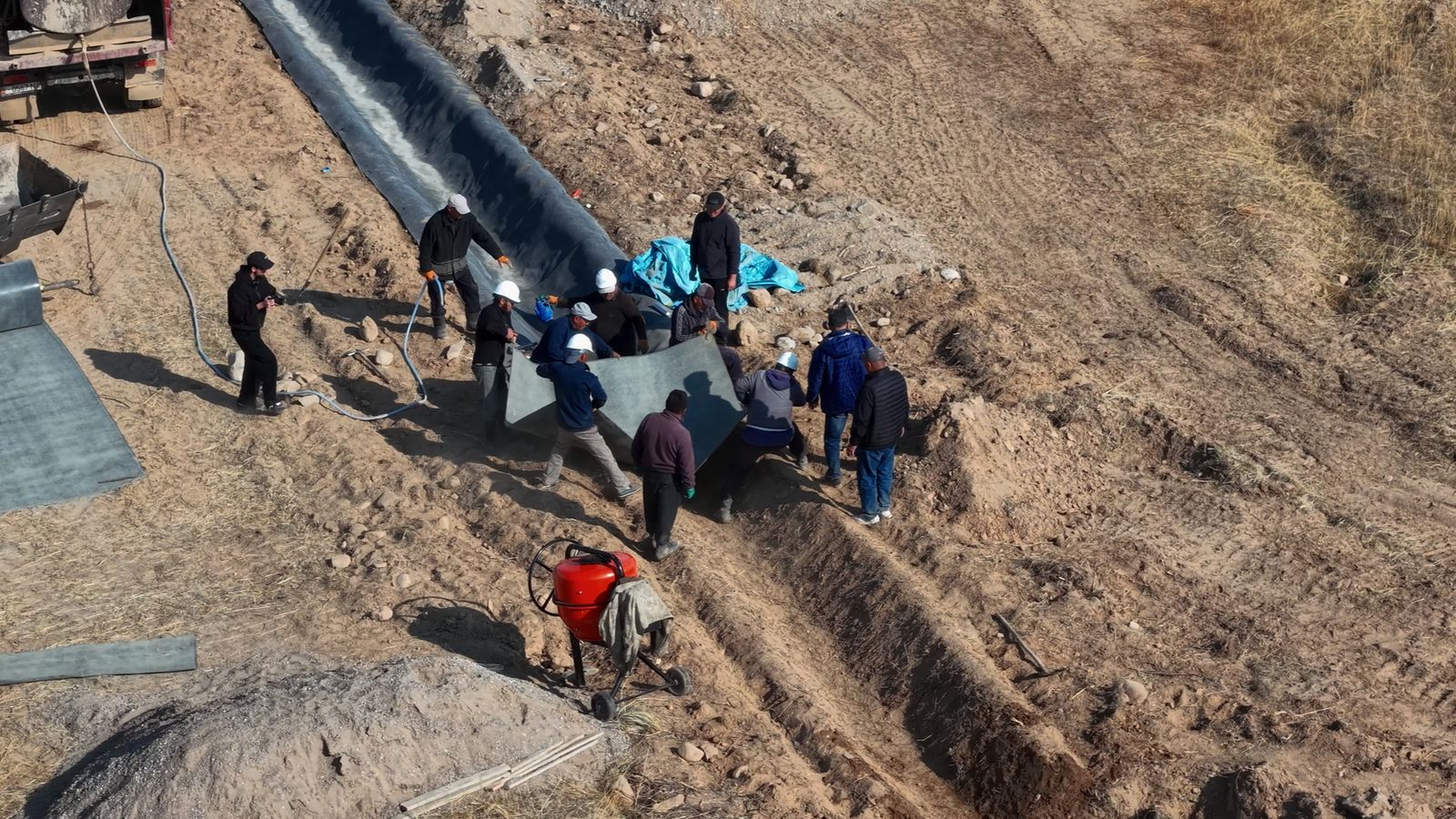
No mixers or formwork needed: the canvas is rolled out, cut with hand tools and wetted with water.
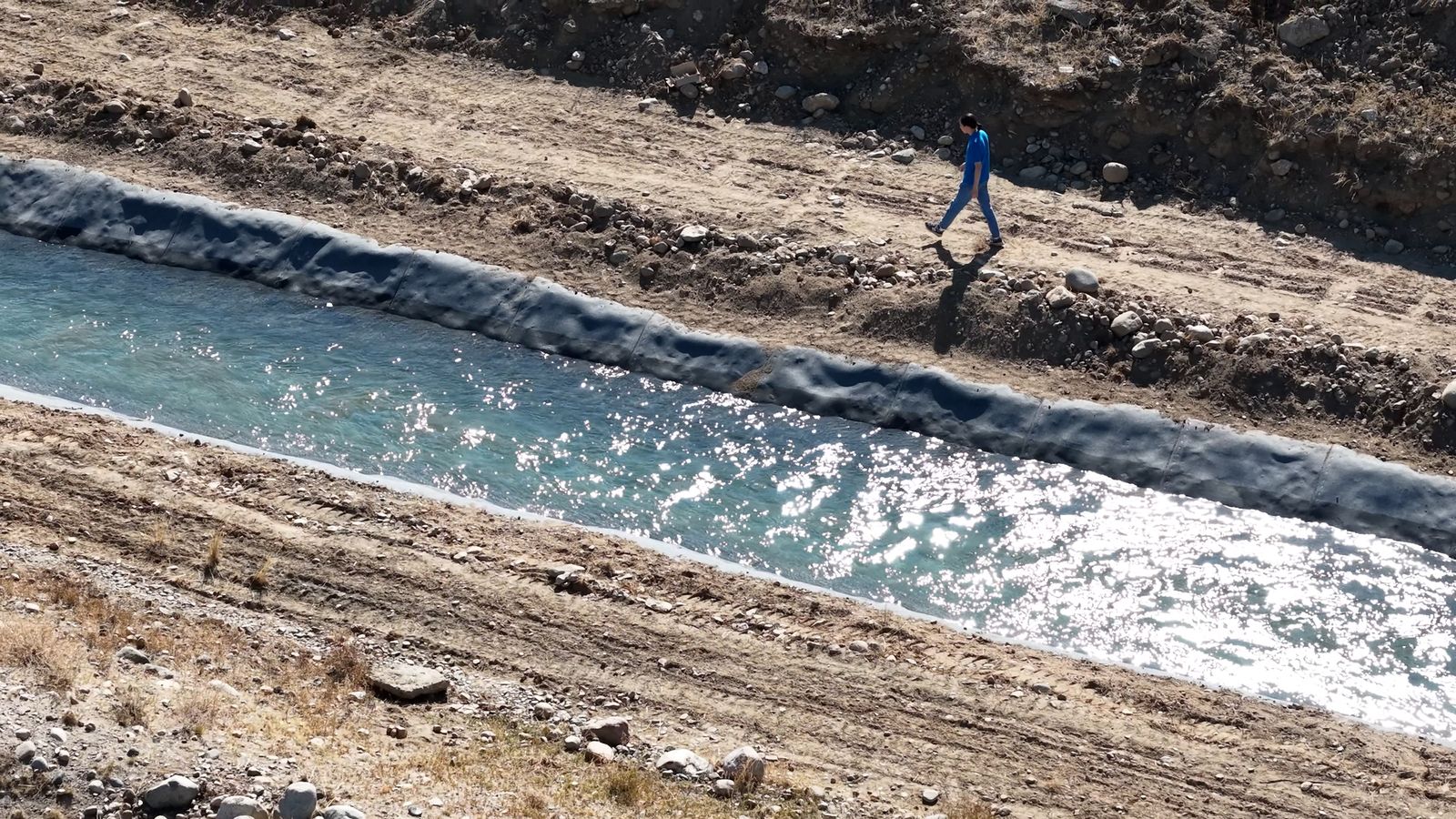
Certified 120-year design life. The material resists UV, abrasion and chemical attack.
A 3D polyester fibre matrix prevents cracking and absorbs impact loads.
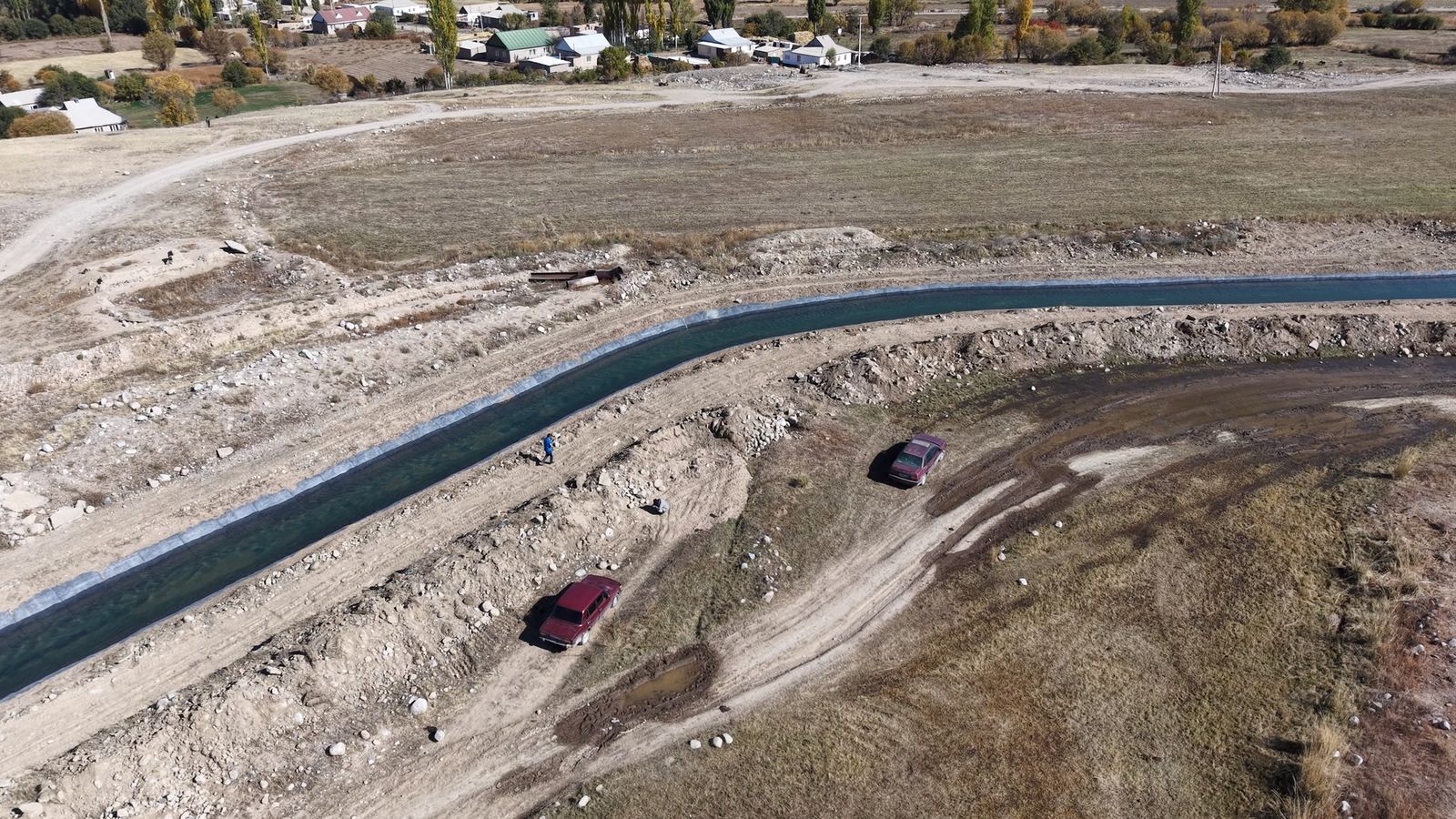
Slopes, channels, dams, tank farms, flume and pipe repair — one solution for many tasks.
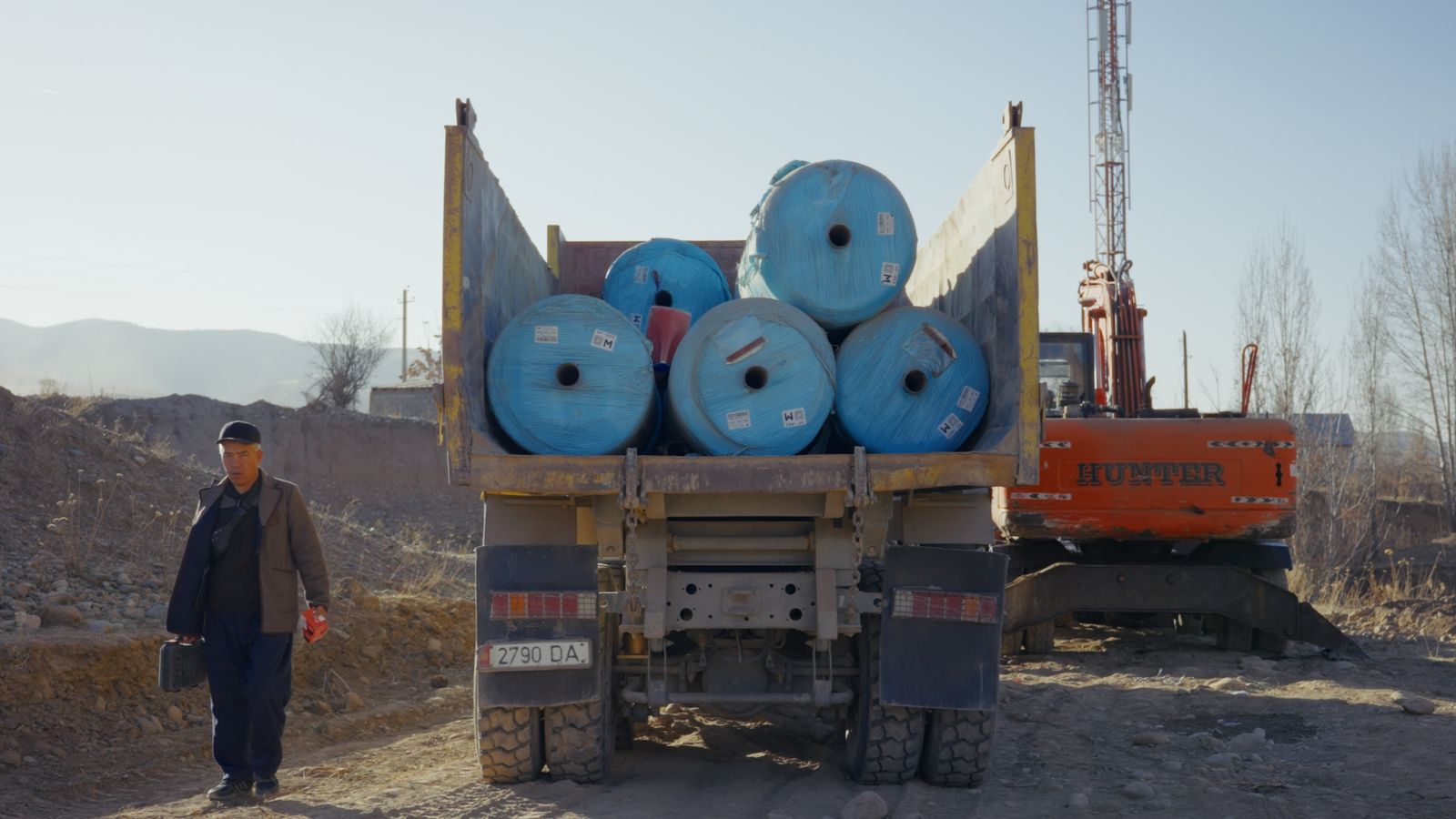
One roll replaces dozens of concrete trucks: unhydrated canvas weighs up to 15 times less than a concrete layer.
Supply formats
Concrete Canvas® is produced in three thicknesses: 5 mm, 7 mm and 11 mm (grades CCT1, CCT2 and CCT3 respectively). It is supplied in bulk, compact and wide rolls.
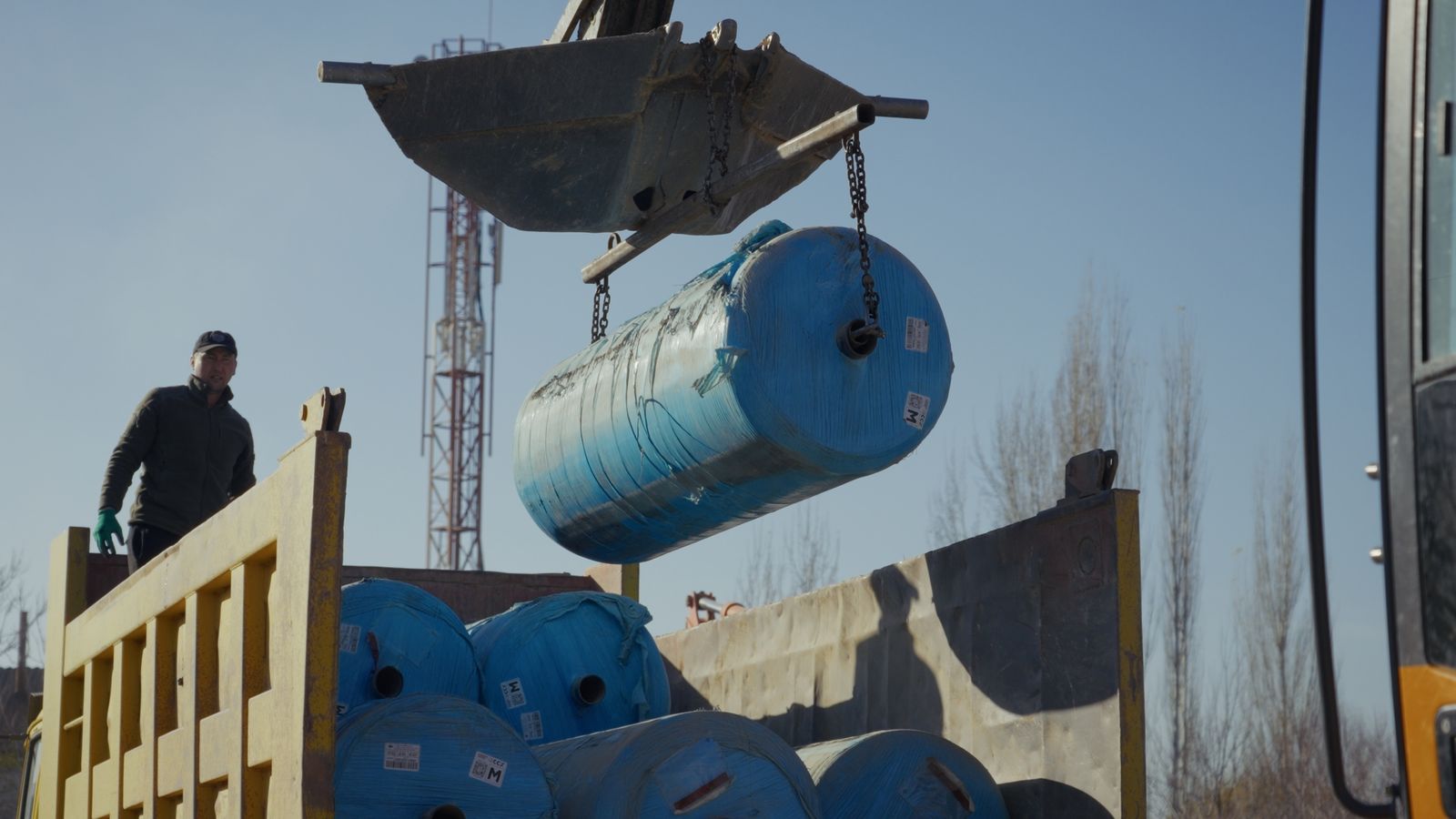
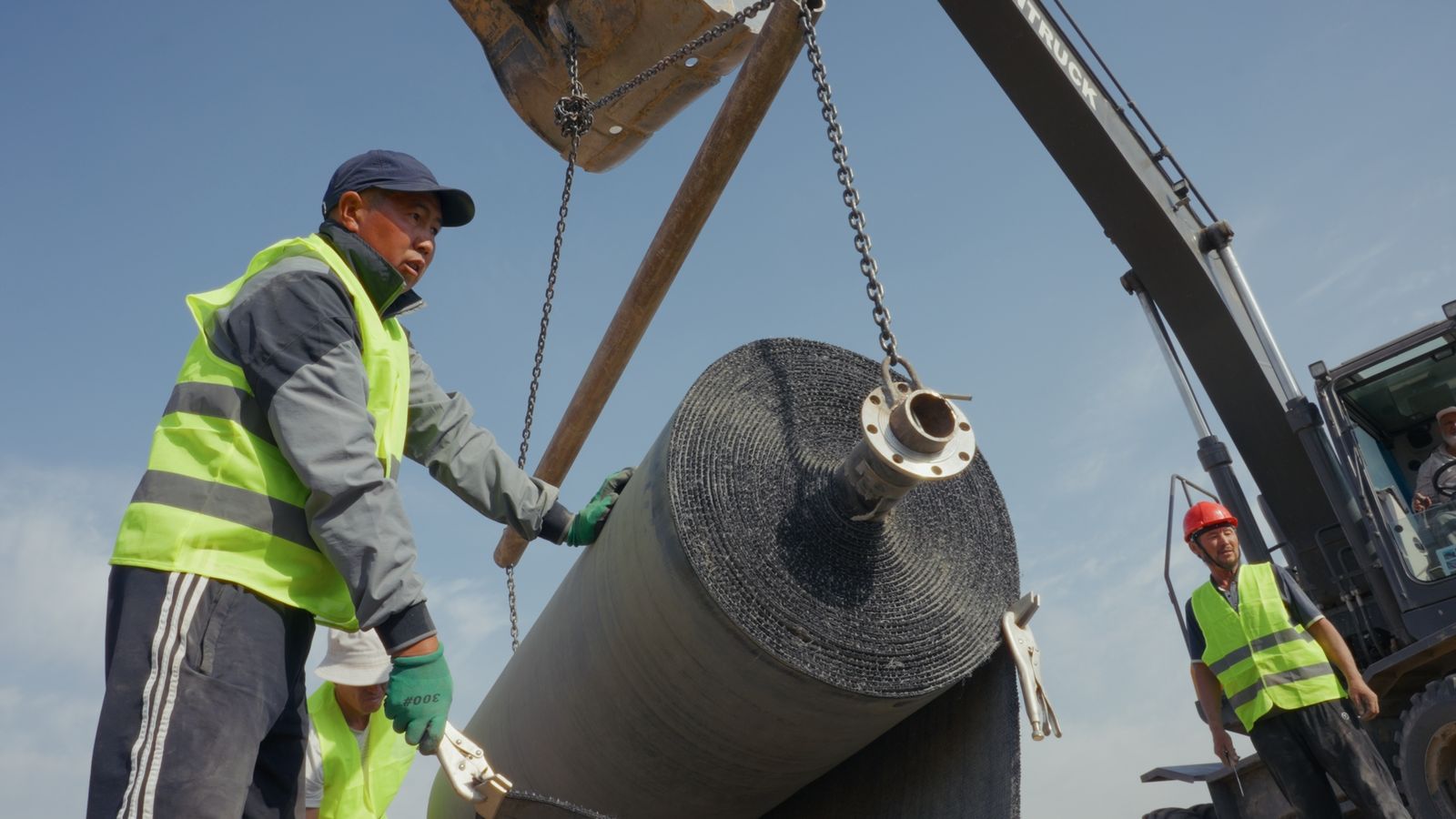
Bulk rollsCan be mounted on a spreader beam or excavator bucket for convenient, fast installation.
Compact rollsUnrolled by hand — suited to sites with limited machinery access.
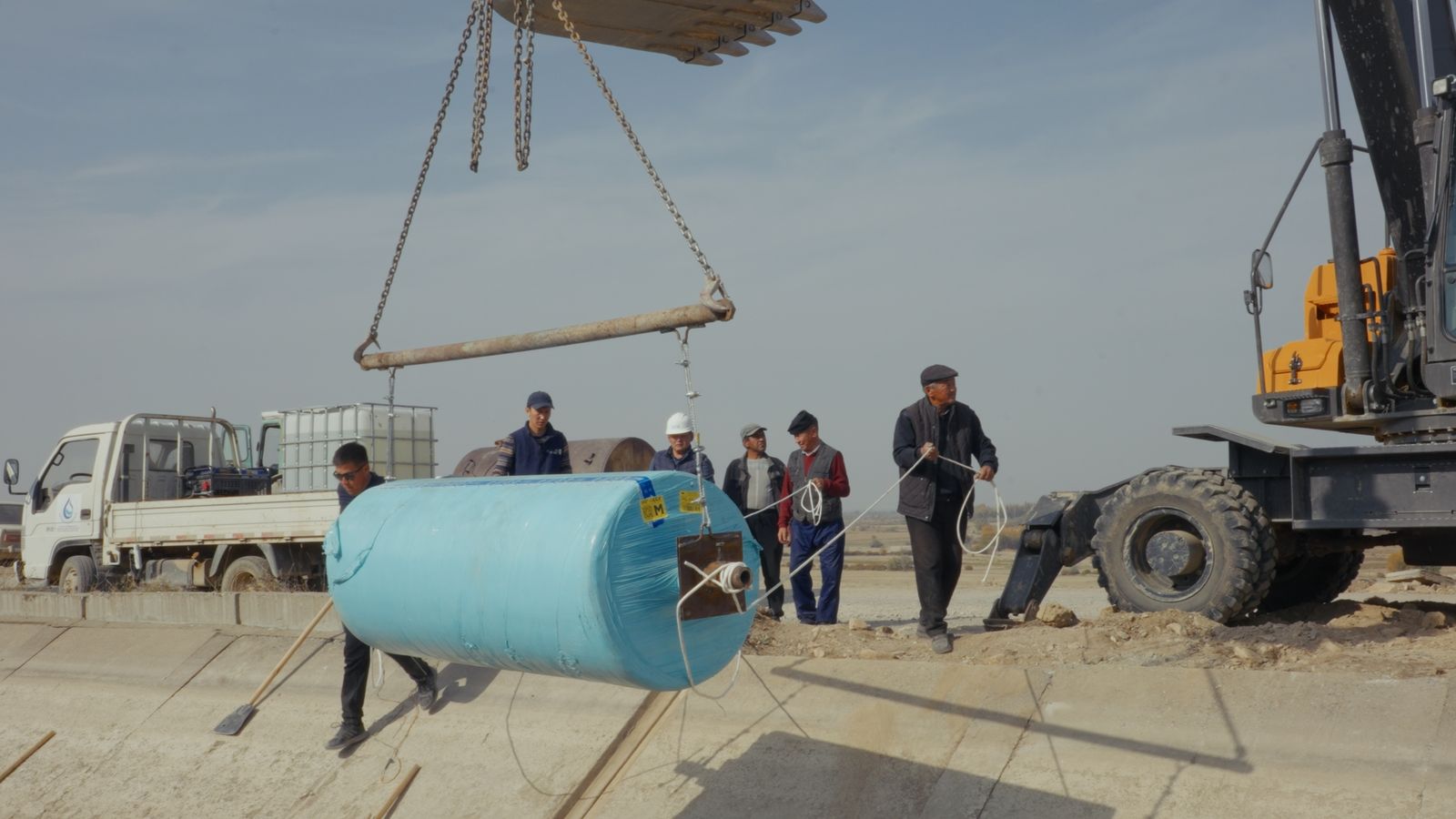
Wide rollsFewer joints and faster installation over large areas.
| CCT type | Thickness (mm) | Roll width (m) | Bulk roll (m²) | Compact roll (m²) |
|---|---|---|---|---|
| CCT1™ | 5 | 1,0 | 200 | 10 |
| CCT2™ | 7 | 1,1 | 125 | 5 |
| CCT3™ | 11 | 1,1 | 80 | — |
How installation works
1. Surface preparation
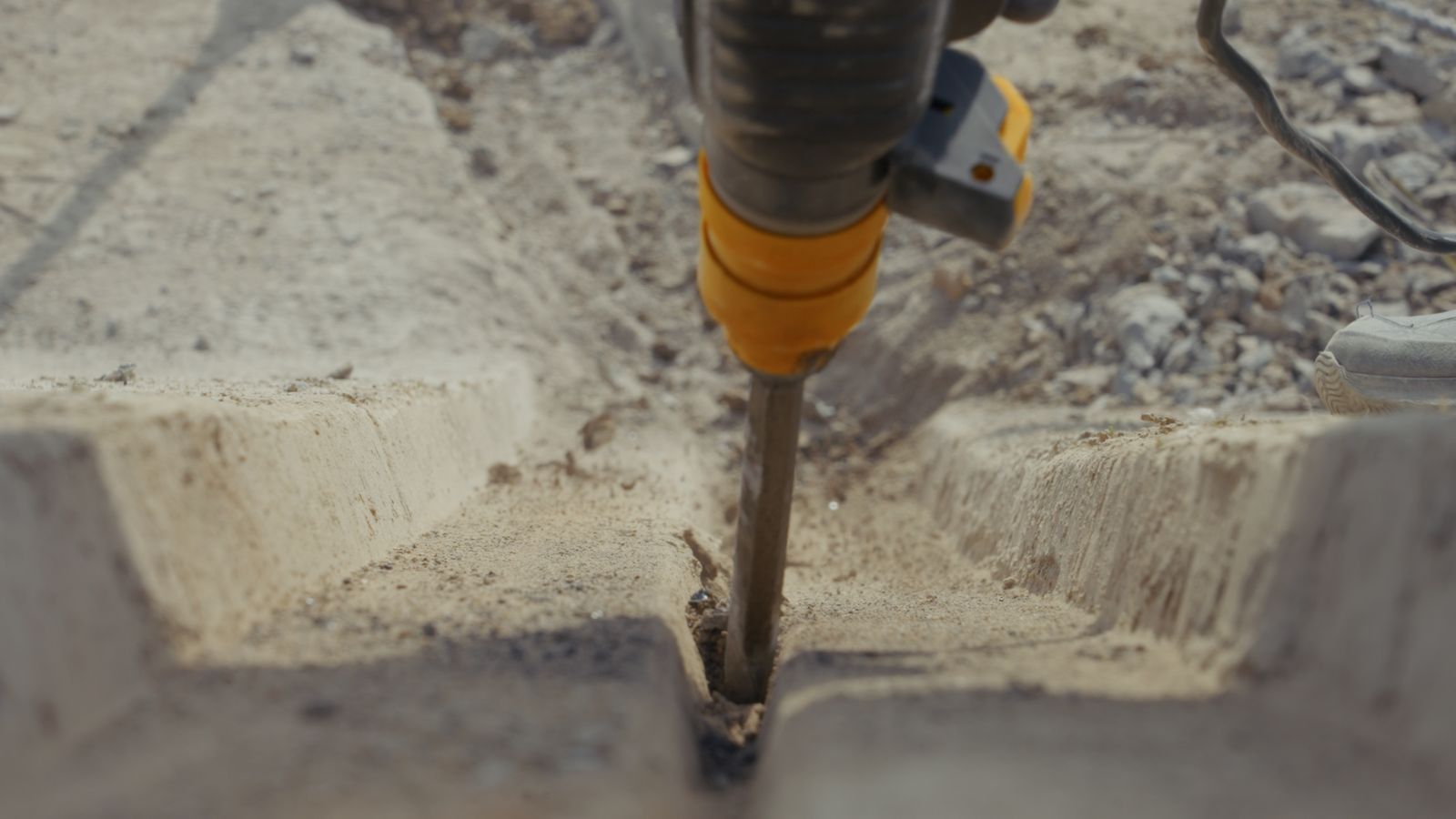
Concrete Canvas can be laid on any surface. The material takes the shape of the substrate it is laid on. The surface is profiled and levelled according to the design and for an aesthetic finish. Before installation it may be necessary to level the surface — remove vegetation and all sharp and protruding objects. When laying on soil, compact the surface and fill voids. When rehabilitating concrete structures, cut off protruding rebar and fill large cracks.
 1
2. Unrolling and laying
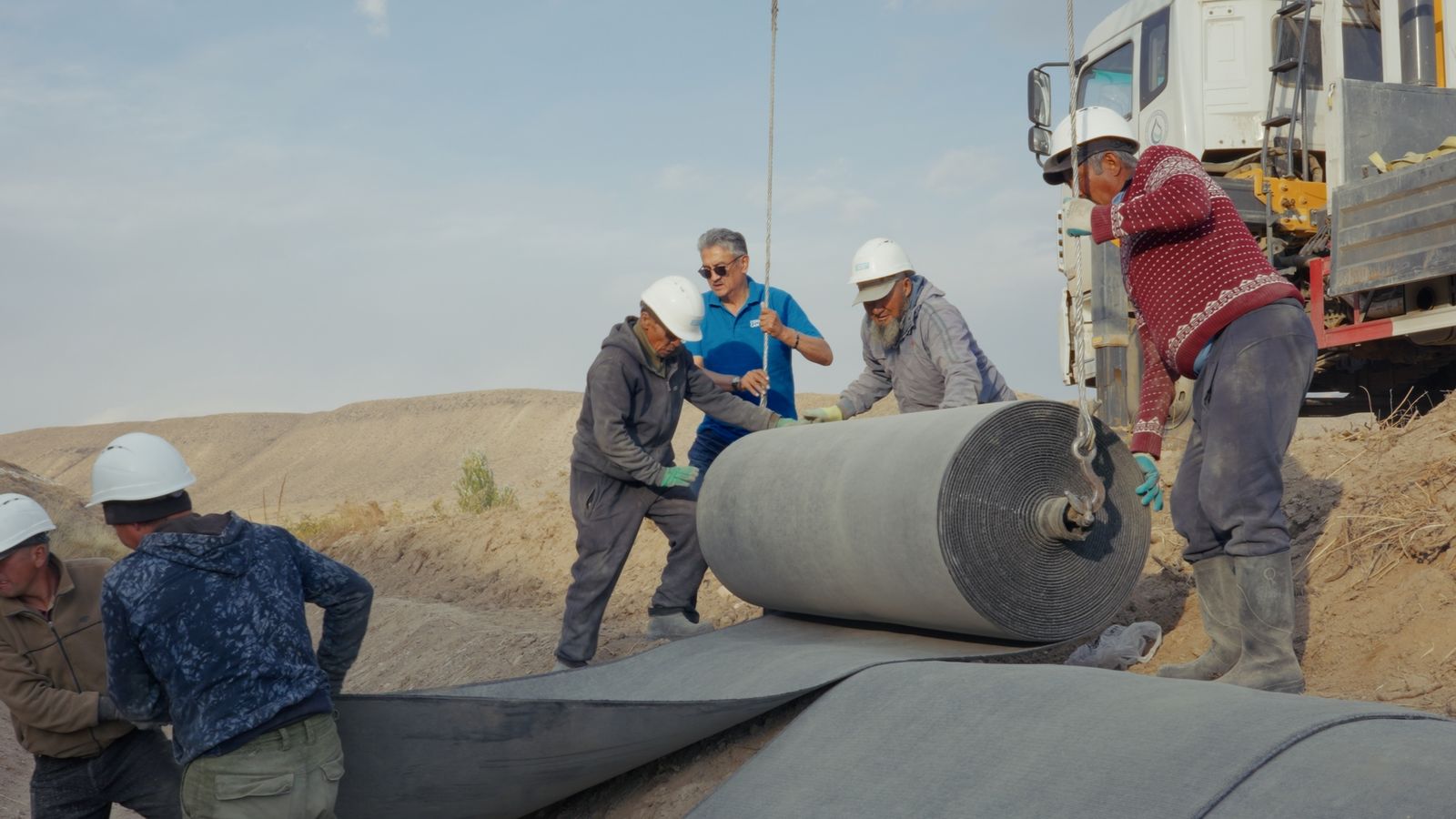
Concrete Canvas is unrolled by hand, with a spreader beam on a lifting device, or with other equipment for unrolling roll materials. The canvas is cut with hand tools (a knife, utility blade or disc saw). The material is laid fibrous side up (waterproof PVC membrane underneath). Lay the sheets with an overlap of at least 10 cm (lengthwise or crosswise) in the direction of water flow.
 2
3. Anchoring to the substrate
When laying on soil, anchor trenches must be dug to hold the canvas: the edges are placed in them and fixed to the ground with L- or U-shaped steel pins. The trench depth and size may vary depending on the soil type and the purpose of the structure. Trench location: on area structures (lagoons and ponds) — along the perimeter; on slopes — along the crest; on channels and other linear structures (bunds, embankments) — along both sides. Anchors can be made of 7–9 mm rebar. On concrete or stone substrates, anchor bolts, cement mortar or other fixings are used.
34. Joining the sheets
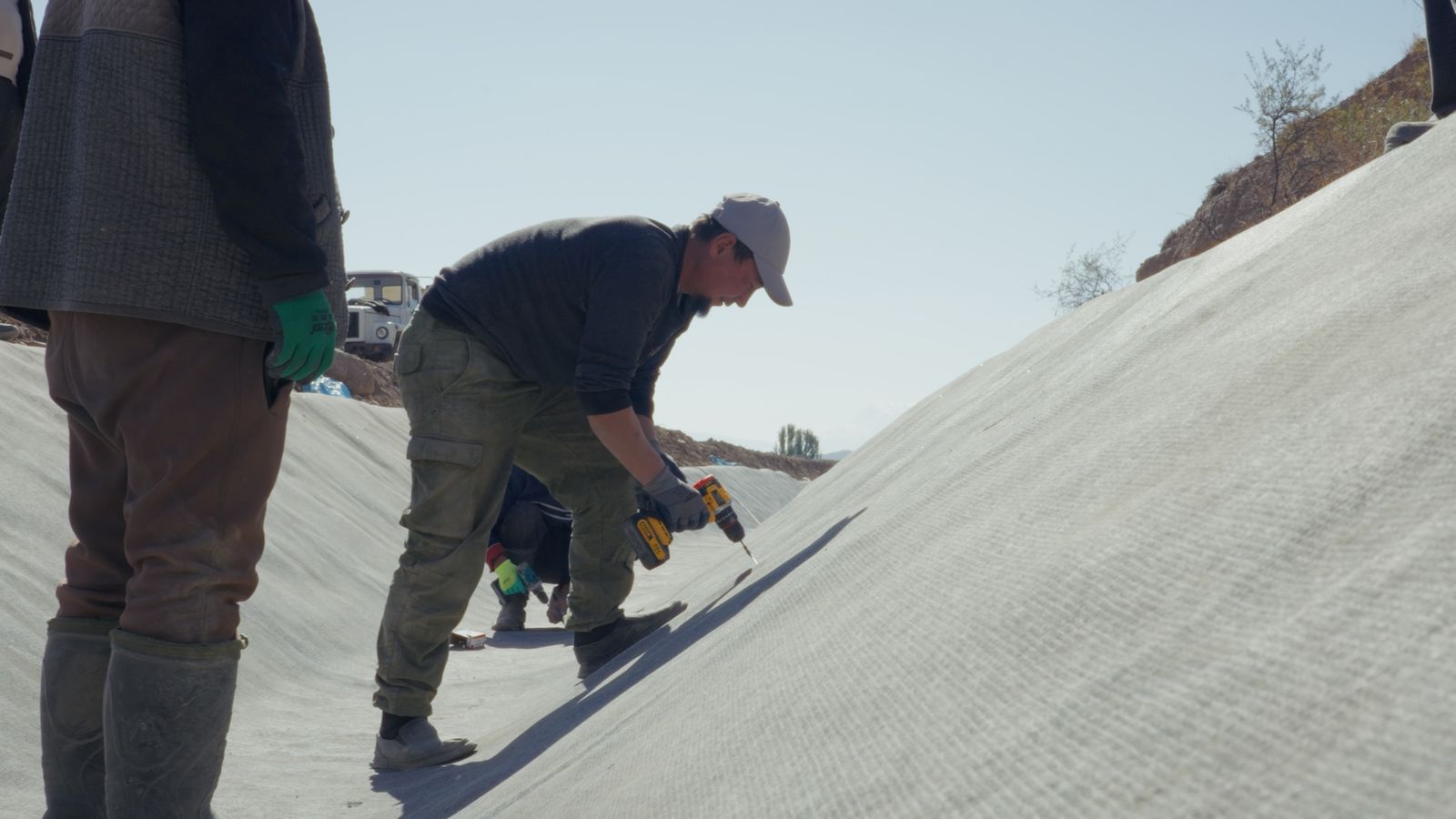
At the overlaps on soil, the sheets are joined with screws at 10–20 cm centres, 5 cm from the edge. Screw length may vary from 10 to 40 mm depending on canvas thickness and the joining method. On concrete surfaces, nail anchors are used. Where the overlap must be waterproof, a sealant adhesive or a thermal welder can be used.
 4
5. Hydration
Hydration does not require a specific water-to-cement ratio: the canvas can even be immersed in water. It is impossible to over-hydrate the material, but rainfall should not be relied on for hydration. Both fresh and salt water are suitable. Hydrate by spraying with a spray nozzle (not a high-pressure jet). The minimum amount of water is 50% of the canvas weight: CC5 — 3.5 l/m², CC8 — 6 l/m², CC13 — 8.5 l/m². In hot weather and on slopes, increase the amount of water.
5Comparison with other materials
| Engineering solution | Installation | Machinery required | Labour required | Cost | Installation temperature | Design life |
|---|---|---|---|---|---|---|
| Concrete Canvas | High speed | Low dependence | Low dependence | Medium | Down to −10 °C | 120 years |
| Cast-in-place concrete | Low speed | High dependence | High dependence | Medium | Above +5 °C | High |
| Shotcrete | Medium speed | High dependence | Medium dependence | High | Above +5 °C | Medium |
| Reinforced concrete slabs | Medium speed | High dependence | Medium dependence | High | Not dependent | High |
| Gabions | Low speed | Medium dependence | High dependence | Medium | Not dependent | Medium |